Shugamine Insights

Learn More About Mining With Us

Community Impact

From Flared Gas to Free Power

Across Nigeria and Africa, oil companies burn off massive amounts of gas every day, wasting billions of dollars and polluting the air communities breathe. Shugamine steps in at the source: we intercept that flared gas, convert it into usable power through efficient turbines, and channel the energy straight back into the community.

The result is free or heavily discounted electricity for households, small businesses, and essential services power that would otherwise have been burned into the atmosphere. The surplus capacity that's left over is what fuels our Bitcoin mining operations.

A portion of every block mined on that power goes directly back to the community it came from. Less flaring means less CO₂. More mining means more local income for schools, healthcare, and everyday needs. It's energy conversion with a real, measurable human return — not just a cleaner balance sheet.
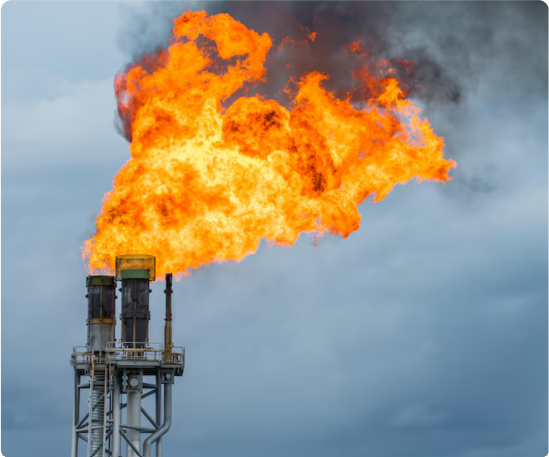
Community impact from Shugamine's energy conversion program
Buying Guide

How To Choose the Right ASIC Miner

Every miner on the market makes a trade-off between three numbers: hashrate, power draw, and price. Getting the balance right for your budget and your access to power matters more than chasing the single highest hashrate on the shelf.

Hashrate tells you how much computing power a unit puts toward mining, measured in terahashes per second (TH/s). Higher hashrate generally means a bigger share of block rewards but only if your power costs can support it.

Efficiency, measured in joules per terahash (J/TH), tells you how much electricity a miner burns to produce that hashrate. A lower J/TH number means more mining output per unit of power the single biggest factor in your long-term running cost.

Price and payback round it out: a cheaper, less efficient miner can still be the right call if electricity is inexpensive where you're hosting it, while a premium hydro-cooled unit can pay for itself faster where power is constrained or costly.

Our team walks through all three with every enquiry — message us on WhatsApp with your budget and available power, and we'll help you match the right model.

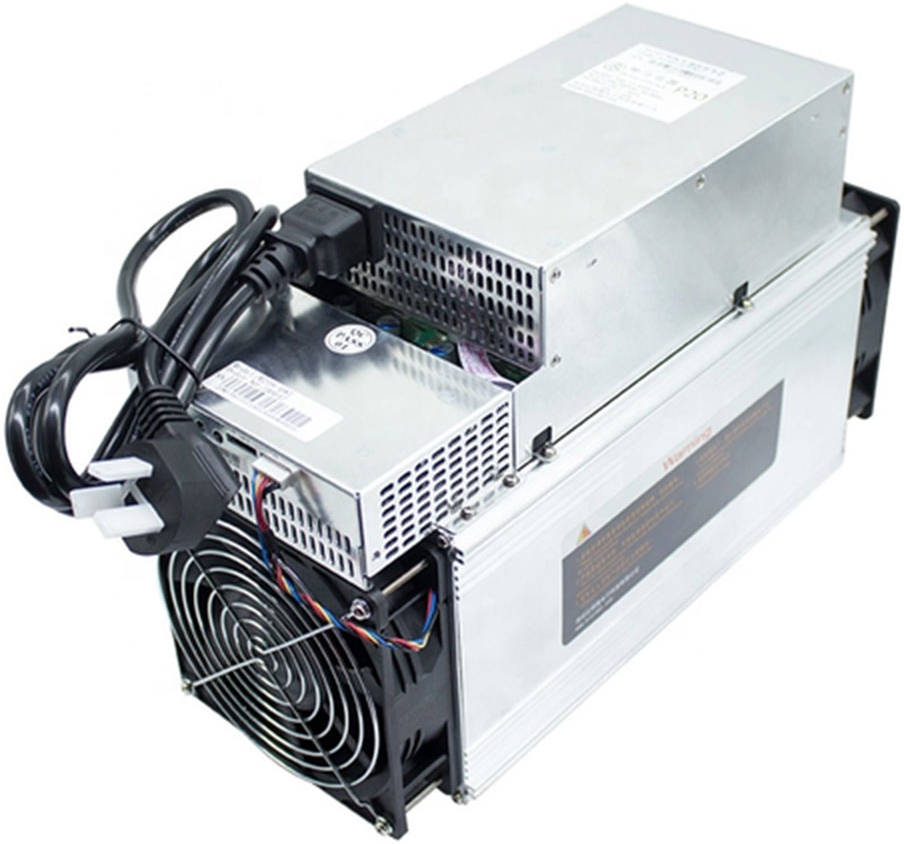
Comparing ASIC miner hardware specifications
Hosting

Hosting vs. Self‑Mining: What's Right for You?

Buying a miner is only half the decision the other half is where and how it runs. Self-mining means installing and running the hardware yourself: you control everything, but you're also responsible for power, ventilation, noise, and upkeep.

Hosting means placing your miner in one of our energy-optimized facilities, where we handle power, cooling, connectivity, and maintenance for you. It costs a hosting fee, but it removes nearly every operational headache no noise in your space, no risk of a fan failure going unnoticed, and access to power pricing you likely couldn't get on your own.

Self-mining tends to suit hobbyists with cheap power already at home or a small office. Hosting tends to suit anyone buying more than one or two units, or anyone who wants mining income without a second job managing hardware.

Not sure which fits you? Tell us your goals and we'll recommend a path including a hybrid approach if that's the better fit.

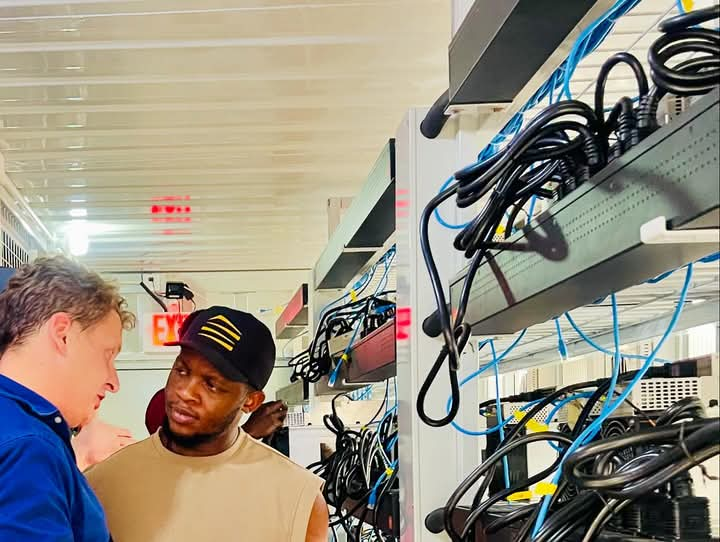
Shugamine hosted mining facility

Ready to put this into action?

Whether you're buying your first miner or scoping a hosted deployment, our team is one message away.